
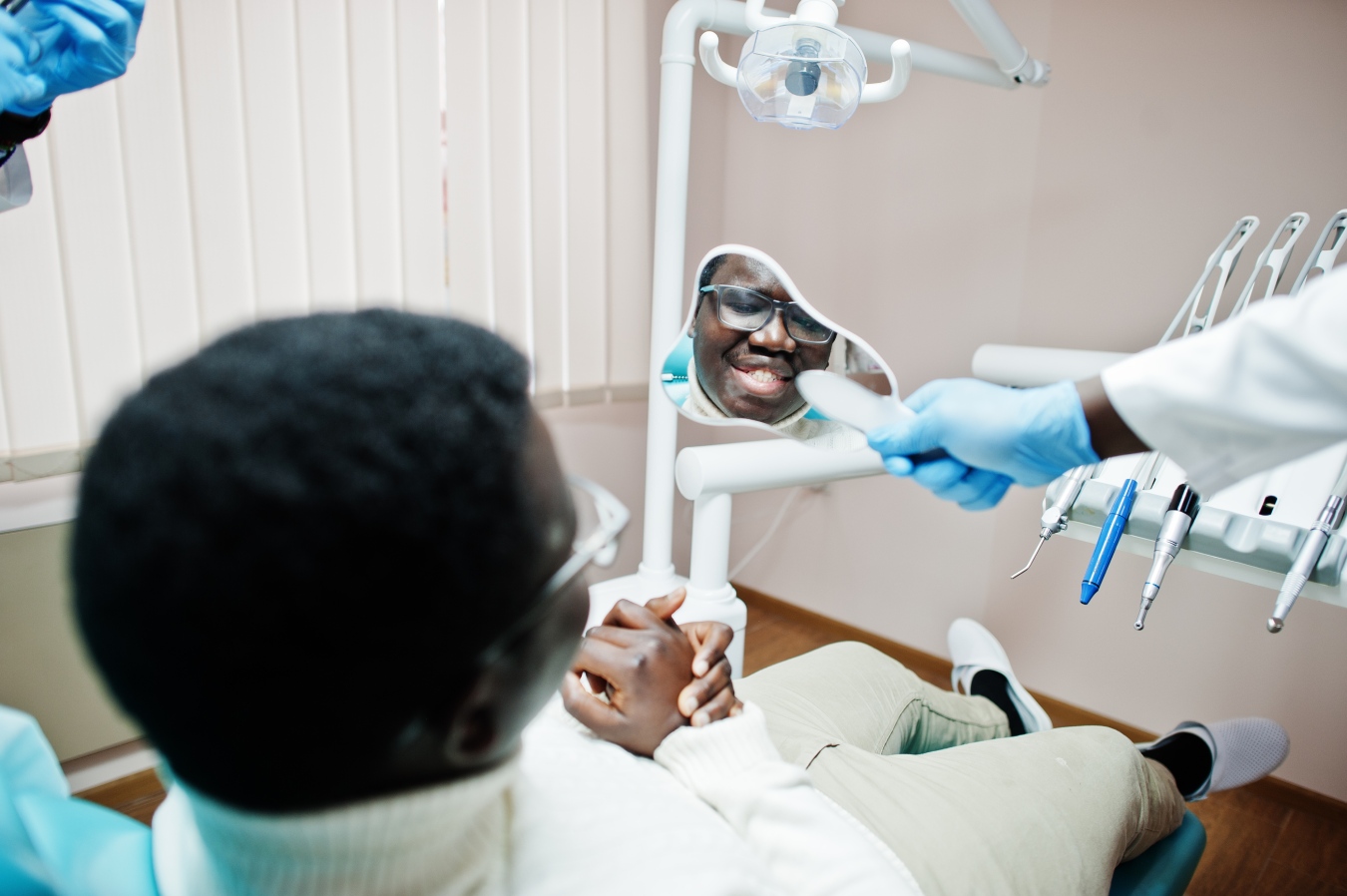
Two-Phase Treatment
Most people assume orthodontic treatment is a single event that happens once all the adult teeth are in. For many children, that’s exactly right. But for some kids, waiting that long means missing a critical window — a period during childhood when the jaw is still growing and much easier to guide than it will ever be again. That’s where two-phase treatment comes in.
Two-phase treatment is a targeted approach used when early changes can improve health and function, reduce the risk of future problems, or make later treatment more predictable. It’s not something every child needs — but for the children who do need it, starting at the right time makes everything that follows simpler, shorter, and more effective.
Phase 1: Early Intervention (Ages 6–10)
Phase 1 orthodontic treatment, also known as interceptive orthodontics, usually begins when the child still has a mix of baby teeth and permanent teeth, typically between the ages of 6 and 10. This phase focuses on early problems that, if left untreated, could lead to more serious issues down the line.
The goal of Phase 1 isn’t to straighten every tooth — it’s to work with your child’s natural growth to create the right foundation. Dr. Bryan and Dr. Lauren use this phase to address issues with how the jaw is developing, how much space is available for incoming permanent teeth, and how the upper and lower jaws are relating to each other.
Issues Phase 1 commonly addresses:
- Narrow upper jaw or crowded arches with insufficient space for adult teeth
- Crossbites, underbites, and significant overbites
- Early or late loss of baby teeth affecting how adult teeth come in
- Thumb sucking or oral habits that have impacted jaw development
- Teeth that are erupting in the wrong direction or position
Tools used during Phase 1 may include palate expanders, partial braces, space maintainers, or other appliances — all chosen specifically for your child’s needs. Phase 1 treatment typically lasts between 9 and 12 months, after which your child enters what’s called a resting period — a planned pause where we monitor growth while the remaining permanent teeth continue to come in.
Why Phase 1 matters:
Early correction can often prevent future instances of dental trauma, avoid the need for permanent tooth removal, and even eliminate the need for jaw surgery later in life. In other words, a relatively simple intervention now can prevent a much more complex one down the road.
The Resting Period
Between Phase 1 and Phase 2, your child enters a planned resting phase. This is intentional — we step back and let the jaw and remaining permanent teeth continue to develop naturally. Dr. Bryan and Dr. Lauren will monitor your child’s progress during this time with periodic check-ins, so we always know exactly what’s happening and when to move forward.
Phase 2: Full Treatment (Around Ages 11–13)
Phase 2 typically begins around age 11 or 12, once the permanent teeth have come in. This phase focuses on final alignment and perfecting the bite — ensuring long-term stability and a smile that lasts a lifetime.
Because Phase 1 already did the foundational work — creating space, guiding jaw growth, and correcting major bite issues — Phase 2 is often smoother and faster than it would have been without early intervention. This is when braces or clear aligners are placed on all the teeth to achieve full, precise alignment and a beautiful, functional result.
Phase 2 treatment usually lasts between 12 and 20 months, though every case is different and your child’s timeline will be outlined clearly at the start of treatment.
Does My Child Need Two-Phase Treatment?
Not necessarily — and we’ll always give you an honest answer. Two-phase treatment is not necessary for every child. An orthodontist can evaluate your child’s smile and explain whether one phase or two makes the most sense, with timing based on development — not guesswork.
The best way to know is to bring your child in for an evaluation. The American Association of Orthodontists recommends that children have their first orthodontic check-up no later than age 7. At that age, Dr. Bryan and Dr. Lauren can see exactly what’s happening with your child’s growth and give you a clear picture of what, if anything, needs to be done — and when.
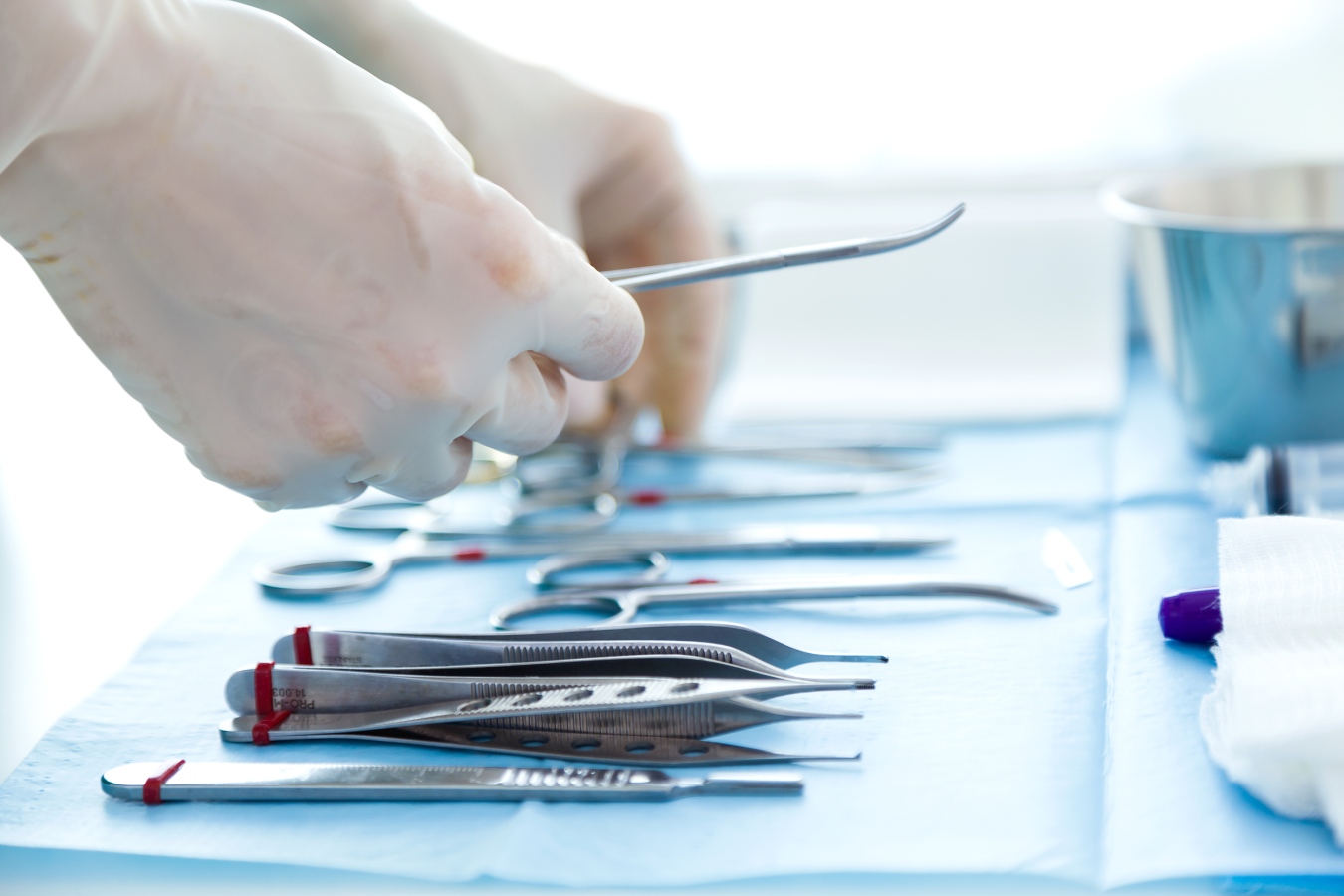
Surgical Orthodontics
Braces and aligners are exceptionally powerful tools — but they move teeth, not bones. For some patients, the underlying issue isn’t just where the teeth sit, but how the jaws themselves are positioned. When a significant jaw discrepancy is at the root of the problem, the most effective solution is a coordinated approach that combines orthodontic treatment with corrective jaw surgery. This is called surgical orthodontics, or orthognathic surgery.
As many as 15% of people have dental and jaw abnormalities that cannot be corrected with braces alone and may be candidates for orthognathic surgery. For those patients, surgical orthodontics isn’t just about aesthetics — it addresses real, functional problems that affect everyday life.
Who Might Need Surgical Orthodontics?
Surgical orthodontics is typically recommended when jaw structure — not just tooth position — is responsible for the bite problem. Common signs include:
- A significant underbite where the lower jaw protrudes well beyond the upper
- A severe overbite caused by an underdeveloped lower jaw
- An open bite where the upper and lower teeth don’t make contact when the mouth is closed
- Facial asymmetry where the jaw appears shifted or uneven
- Difficulty chewing, biting, or swallowing due to jaw misalignment
- Chronic jaw pain, TMJ issues, or breathing concerns tied to skeletal structure
- A bite that braces alone cannot fully correct
If you’ve been told that your bite is “too severe” for orthodontic treatment alone, surgical orthodontics may be the answer — and it’s one worth exploring with specialists who are experienced in managing these cases.
How the Process Works
Surgical orthodontics is a team effort. Dr. Bryan and Dr. Lauren serve as your orthodontic leads throughout the entire process, collaborating closely with a trusted oral and maxillofacial surgeon to make sure every phase of your care is coordinated and intentional. Jaw surgery requires a team approach, with the patient, orthodontist, and surgeon collaborating to achieve the best results.
Here’s what the process typically looks like:
Pre-Surgical Orthodontics (12–18 months)
Treatment begins with braces — not to make things look better right away, but to strategically position the teeth over their existing jaw bases so that when the jaws are surgically moved into proper alignment, the teeth will fit together correctly. This phase requires patience, as the bite may temporarily look or feel different before it improves. Your doctors will walk you through exactly what to expect so nothing catches you off guard.
Jaw Surgery
The actual jaw correction is carried out by an oral and maxillofacial surgeon. Jaw surgery, also called orthognathic surgery, is done in a hospital under anesthesia. The surgeon adjusts the position of the upper jaw, lower jaw, or both, depending on the case, with the goal of aligning bone structure so that once orthodontics takes over again, teeth will meet the way they’re supposed to. These procedures will likely require an overnight stay in a hospital or surgical center, and most patients should plan to take a week off from school or work to rest and recover.
Post-Surgical Orthodontics (6–12 months)
After recovery, orthodontic treatment resumes to fine-tune the bite and bring everything into its final, precise position. This phase is typically shorter than the first, because the heavy structural lifting has already been done. The result is a bite that functions the way it’s supposed to — and a smile that reflects the full scope of what’s been achieved.
Is Surgical Orthodontics Right for You?
If jaw surgery sounds significant, that’s because it is — and we don’t recommend it lightly. But for patients whose functional and aesthetic concerns go beyond what braces alone can address, the outcome is often genuinely life-changing. Improved chewing, clearer speech, better airway function, reduced jaw pain, and a more balanced facial profile are the kinds of results that make a meaningful difference in daily life.
At Dual Image Orthodontics, every surgical orthodontics case is evaluated thoroughly using our in-office CBCT imaging and digital planning tools — so your doctors have the full picture before any recommendations are made. If surgical orthodontics is right for you, we’ll explain why clearly and connect you with a specialist we trust. If it isn’t, we’ll tell you that too.